
The destination
Discover Ouirgane
Nature and heritage in the heart of the High Atlas
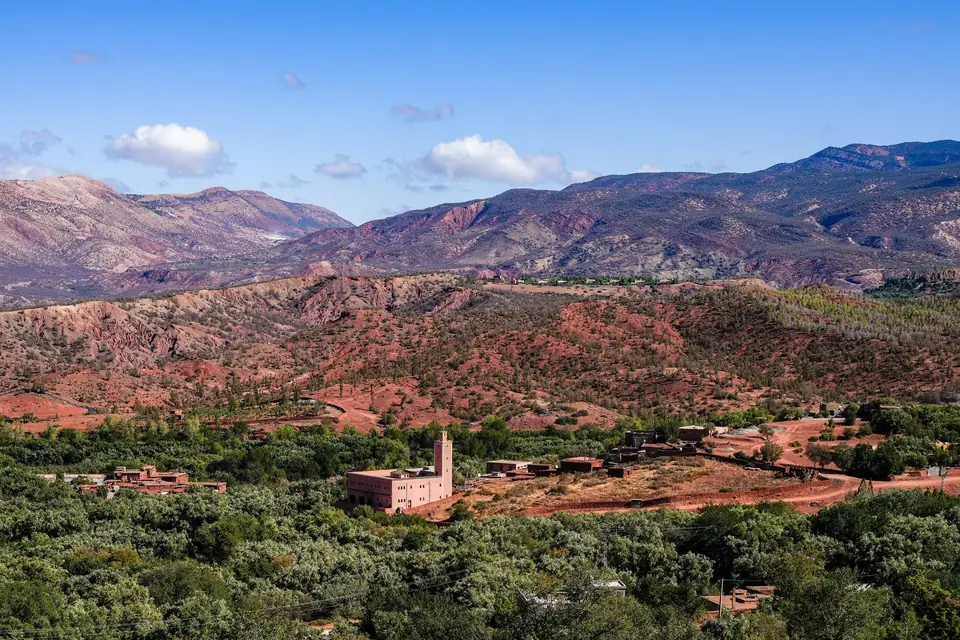
Located in Al Haouz province, in the Marrakech-Safi region, about 60 km south of Marrakech, Ouirgane is a mountain destination nestled in the heart of the High Atlas. It stands out for its mountain scenery, its lake, its olive groves and its traditional Amazigh villages.
Ouirgane is a mountain destination that combines the serenity of nature, the authenticity of Amazigh culture and a sustainable rural tourism experience.
- Province
- Al Haouz
- Region
- Marrakech-Safi
- From Marrakech
- ≈ 60 km south
- Altitude
- about 1,000 m
- Languages
- Tashelhit (Amazigh), Arabic
- Nearby
- Toubkal National Park
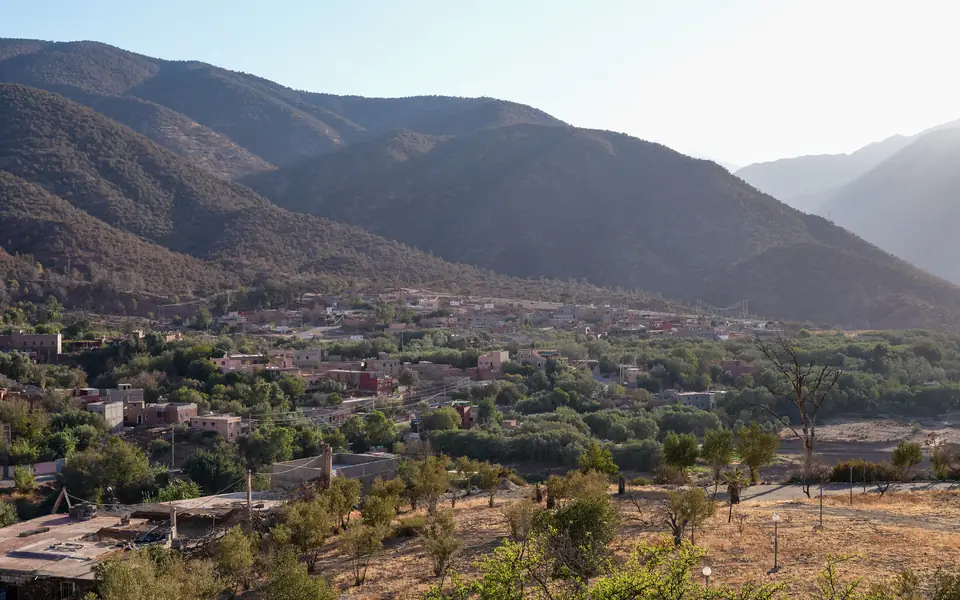
Photo: Timothy A. Gonsalves · CC BY-SA 4.0
01
Location and getting there from Marrakech
Ouirgane stretches along the mountain road that leads to the Tizi n’Test pass, about 60 kilometres south of Marrakech. The journey usually takes a little over an hour, ideal for a day trip or a longer stay.
Leaving the Haouz plain, the road climbs into the first foothills of the Atlas and reveals increasingly mountainous scenery with every kilometre.
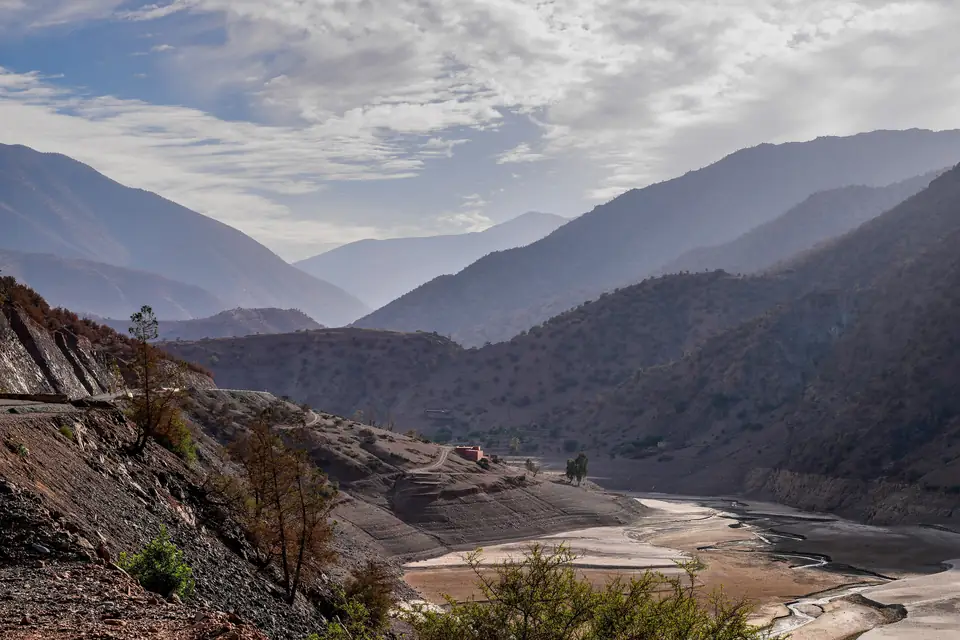
Photo: Timothy A. Gonsalves · CC BY-SA 4.0
02
High Atlas landscapes
Slopes covered in pine and juniper, red-earth hills, the N’Fis valley framed by layered ridges: the valley offers a great variety of landscapes within a small area.
The seasons change everything: green spring, clear autumn skies and peaks that are sometimes snow-capped in winter.
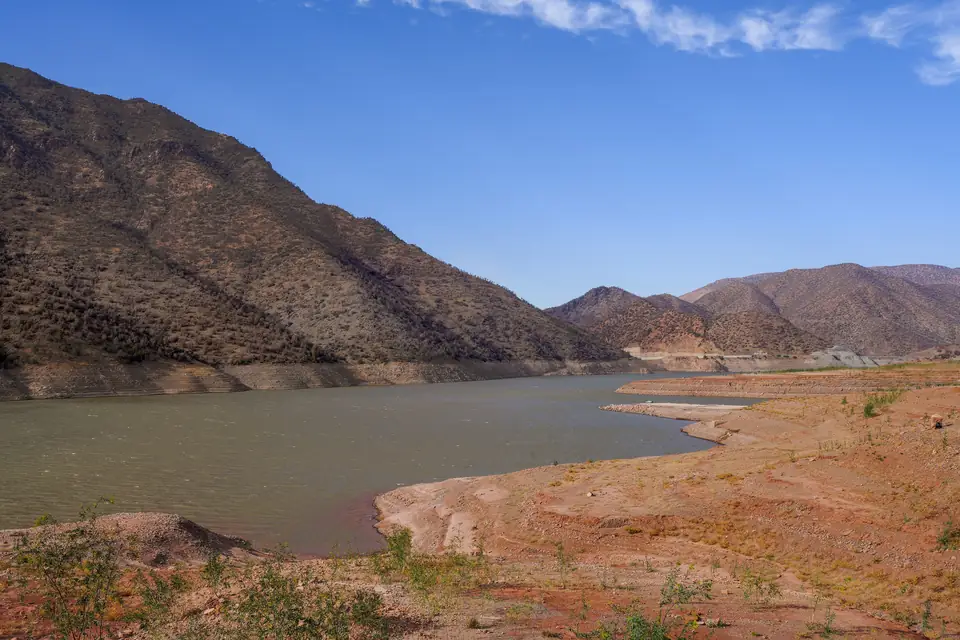
Photo: Timothy A. Gonsalves · CC BY-SA 4.0
03
Lake Ouirgane
The lake is the reservoir of the Yacoub El Mansour dam, built on the N’Fis river. Surrounded by ochre mountains, it offers a peaceful setting for walks and quiet contemplation.
Its level varies greatly depending on rainfall in previous years: a living landscape that changes from one season to the next.
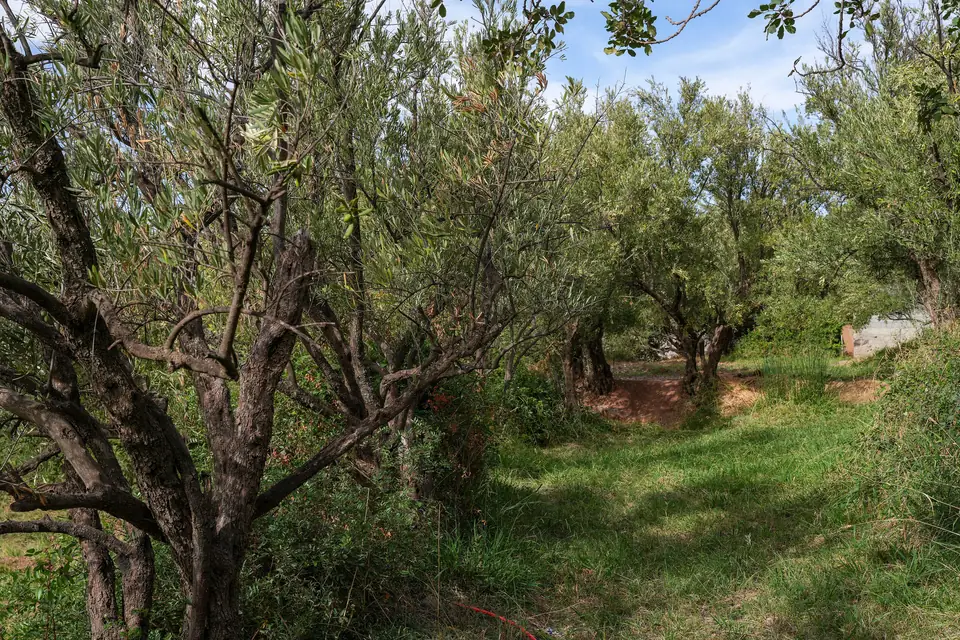
Photo: Timothy A. Gonsalves · CC BY-SA 4.0
04
The olive groves
Irrigated through a network of channels, the olive groves are the green heart of the valley. Some trees with gnarled trunks are clearly very old.
Local olive oil accompanies bread, salads and tagines, and holds an essential place in hospitality.
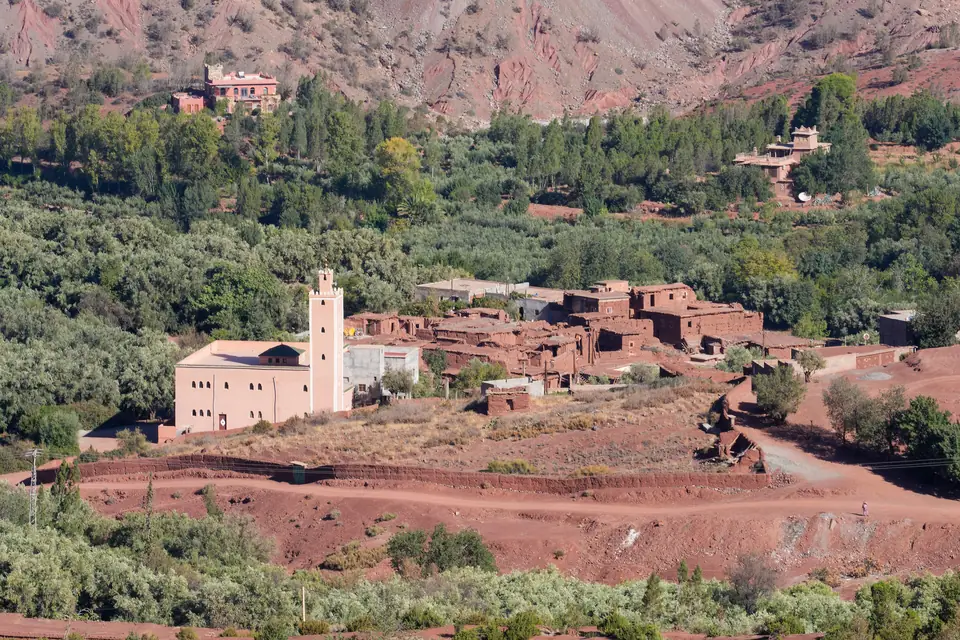
Photo: Timothy A. Gonsalves · CC BY-SA 4.0
05
The Amazigh villages
Anraz, Agouni, Azadene… The valley’s villages combine traditional rammed-earth or stone houses with more recent buildings. The main language is Tashelhit, the Amazigh language of the western High Atlas.
Discovering them with a local guide helps you understand what you see while respecting residents’ lives.
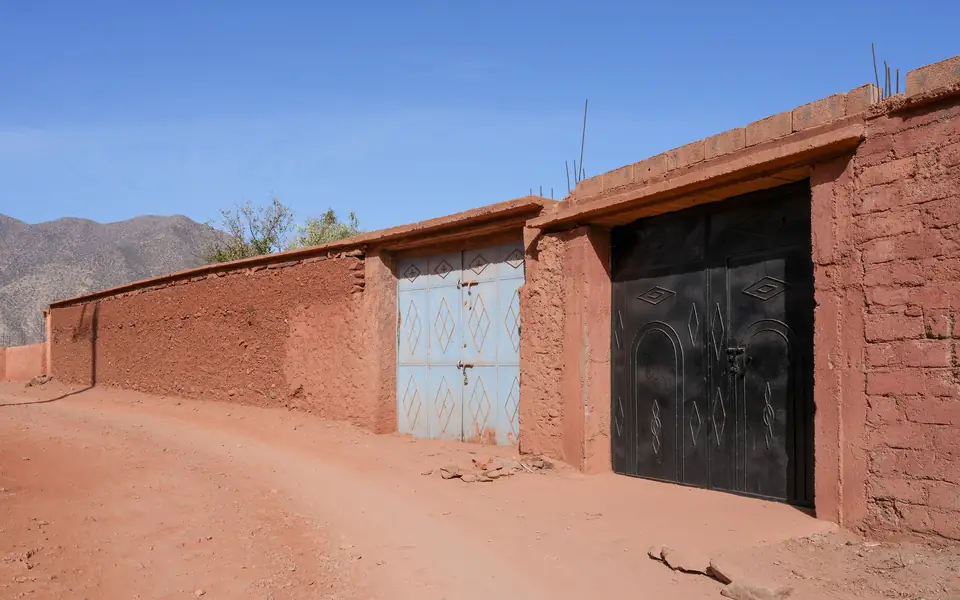
Photo: Timothy A. Gonsalves · CC BY-SA 4.0
06
Farming and pastoral heritage
The region is closely linked to the Amazigh heritage of mountain areas, where local communities developed farming and herding activities adapted to their natural environment.
Its surroundings are also linked to the old routes that crossed the mountains and connected Marrakech with the regions of the south.
07
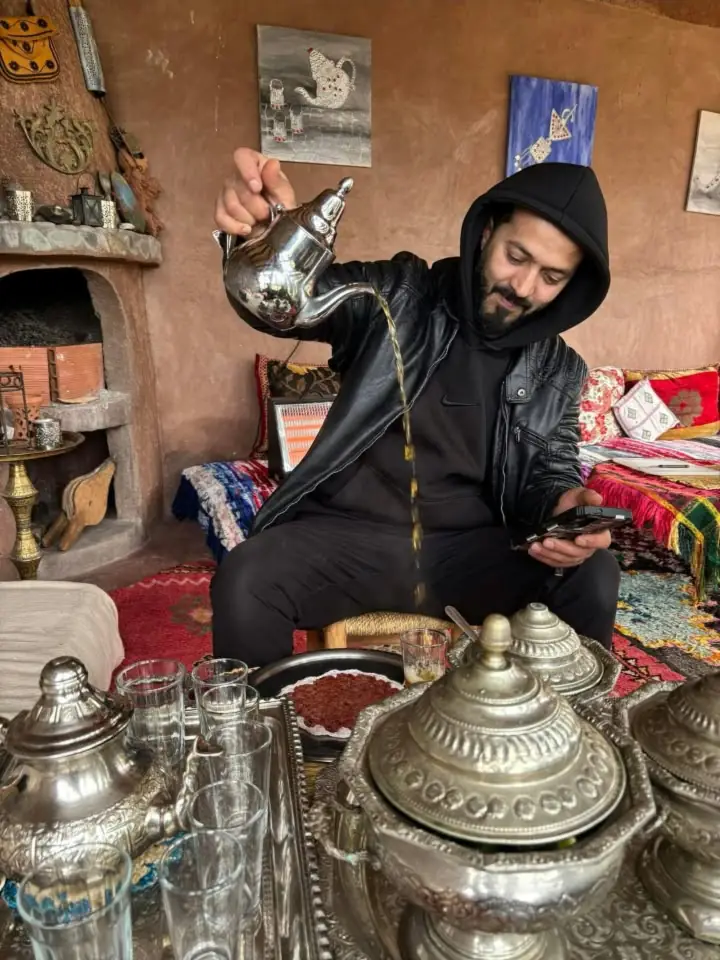
Local traditions and food
Hospitality lies at the heart of Amazigh culture: mint tea poured from height, tanourt bread baked in a clay oven and olive oil from the valley.
Local cuisine relies on garden vegetables, spices and slow cooking, as in the tagine.
08
Ecotourism, culture and nature
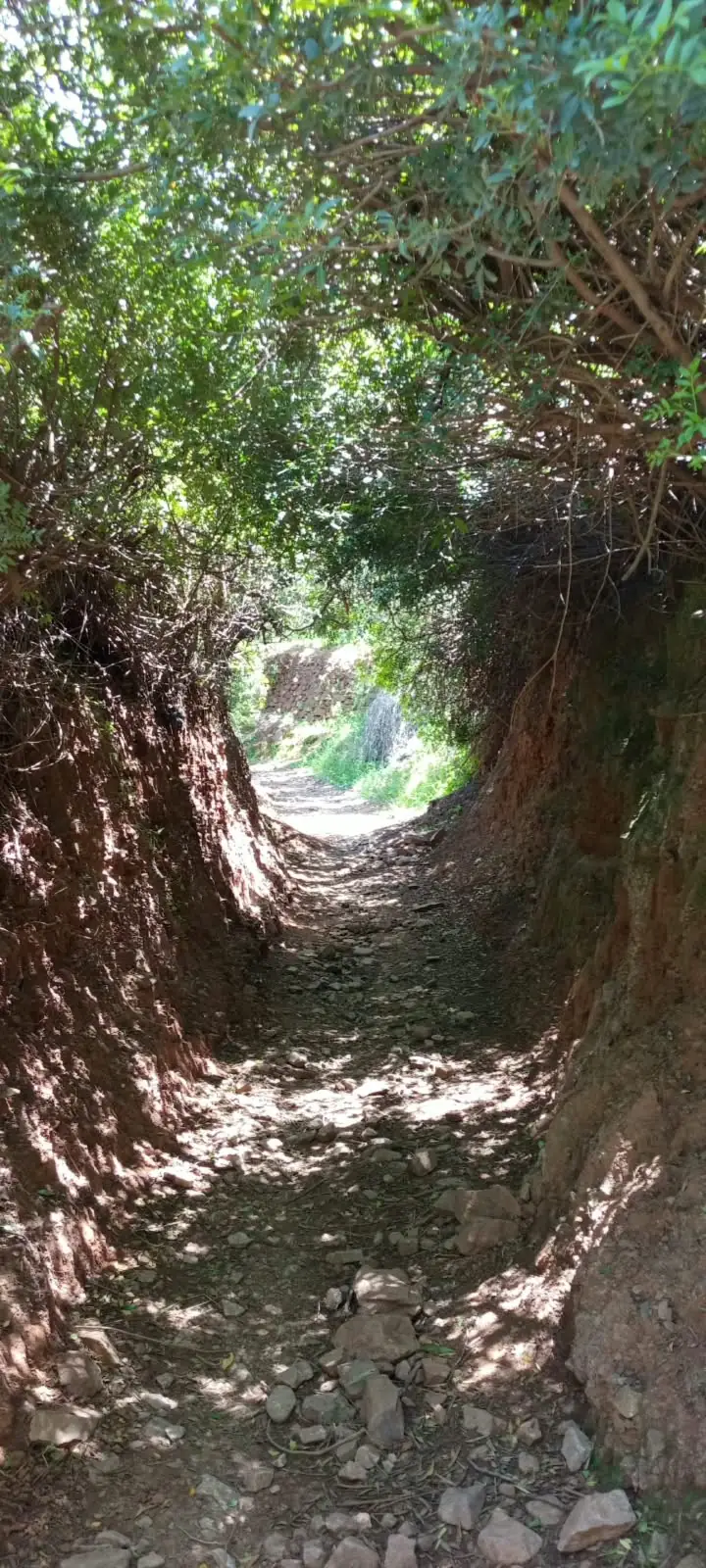
Ouirgane offers many opportunities for hiking, discovering nature and traditional villages, and immersing yourself in local culture and food.
Ecological and cultural tourism is one of its main strengths, thanks to the richness of its landscapes and the authenticity of its local heritage.
Ready to discover Ouirgane?
Ready to discover the valley? Choose an activity or tell us what you would like to do: we organise your day with local people.